
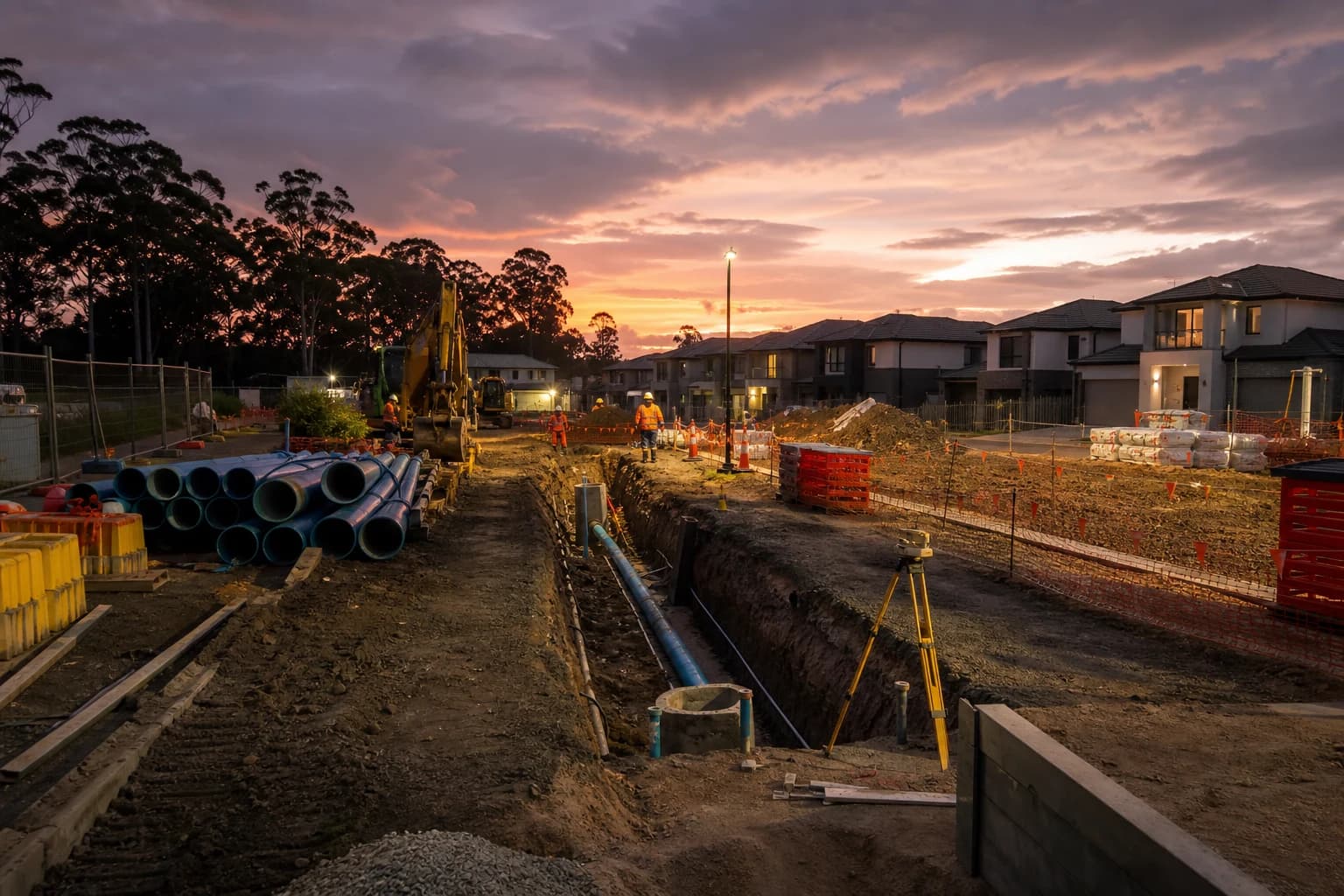
Section 73 Works in Sydney: A Complete Guide for Developers
A developer-focused guide to Section 73 works in Sydney — certificates, Sydney Water and authority pathways, water servicing works, contractor selection, and compliance from planning through approval.
Section 73 & development
From planning to authority approval
On this page
Developers finishing lots, townhouses, industrial units, or subdivision stages in Sydney usually encounter Section 73 works Sydney requirements before properties can connect to drinking-water and wastewater networks. The process sits at the intersection of civil design, authority compliance, and live construction — where delays in servicing can hold up occupation certificates, sales settlements, and programme cash flow.
This guide explains what developers should expect from water servicing works Sydney teams, how Section 73 certificate Sydney pathways fit into programme milestones, and when to engage a specialist Section 73 works contractor rather than leaving servicing to late-stage trade packages.
What Section 73 works involve on Sydney developments
Section 73 works are the water and wastewater servicing scopes that connect a development to authority networks — typically covering water mains extensions, sewer connections, stormwater interfaces where applicable, meters, inspection points, and commissioning support required for approval.
On Sydney metro projects, servicing often runs parallel with earthworks, road construction, and building works. Developers need clarity on which assets vest to authorities, which remain private, and which inspections must pass before certificates issue.
If you are new to utility delivery on NSW sites, read the four waters explained for background on potable, wastewater, stormwater, and culvert assets before scoping servicing packages.
When developers need a Section 73 certificate Sydney pathway
A Section 73 certificate Sydney pathway is typically part of the broader authority approval process that confirms servicing meets required standards before properties lawfully connect to networks. Triggers include new lots created through subdivision, greenfield stages, commercial/industrial estates, and redevelopments that alter servicing capacity or connection points.
Certificate timing depends on design approval, construction completion, testing, inspections, and authority review. Developers who treat certification as a tail-end admin task often discover rework costs when assets were built outside approved drawings or inspection hold points were skipped.

Programme leads should map certificate milestones against civil works, building completion, and sales dates — then work backwards to set realistic servicing start dates and authority submission windows.
Sydney Water Section 73 and water authority servicing context
Many developers search for Sydney Water Section 73 guidance because Sydney metro servicing connects to networks operated by major water authorities. In practice, servicing requirements, drawings, and inspection regimes must align with the relevant authority rules for your location — including connection standards, materials, testing, and documentation formats.
Authority context also shapes accreditation expectations. Developers should confirm whether their contractor holds appropriate water authority accreditation for the works class being procured, and whether scopes are delivered as principal works or specialist subcontract packages.
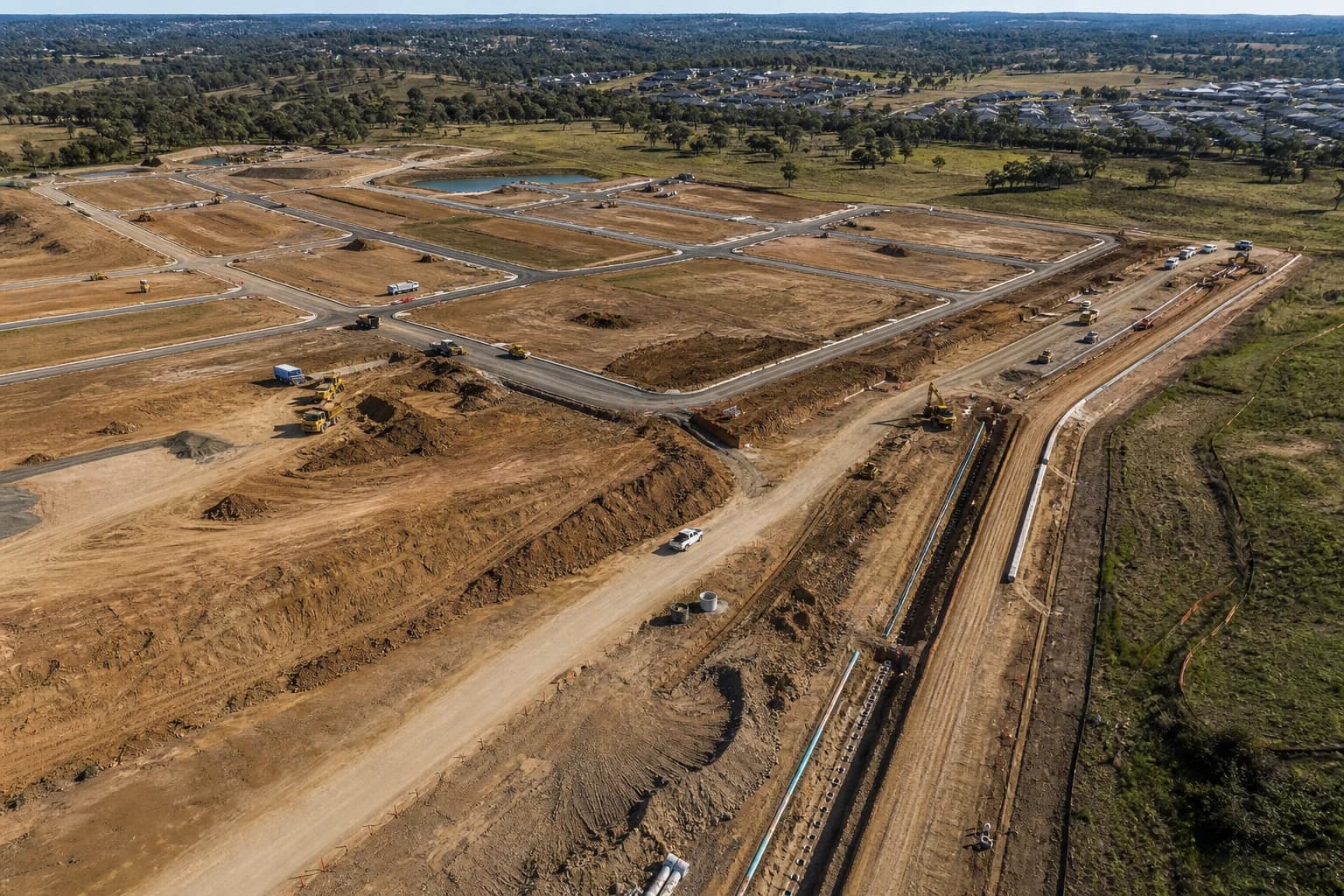
Coreflow delivers Section 73 works across NSW for residential, commercial, industrial, and subdivision developments — from planning support through construction, inspections, and completion documentation.
Water servicing works Sydney teams deliver on site
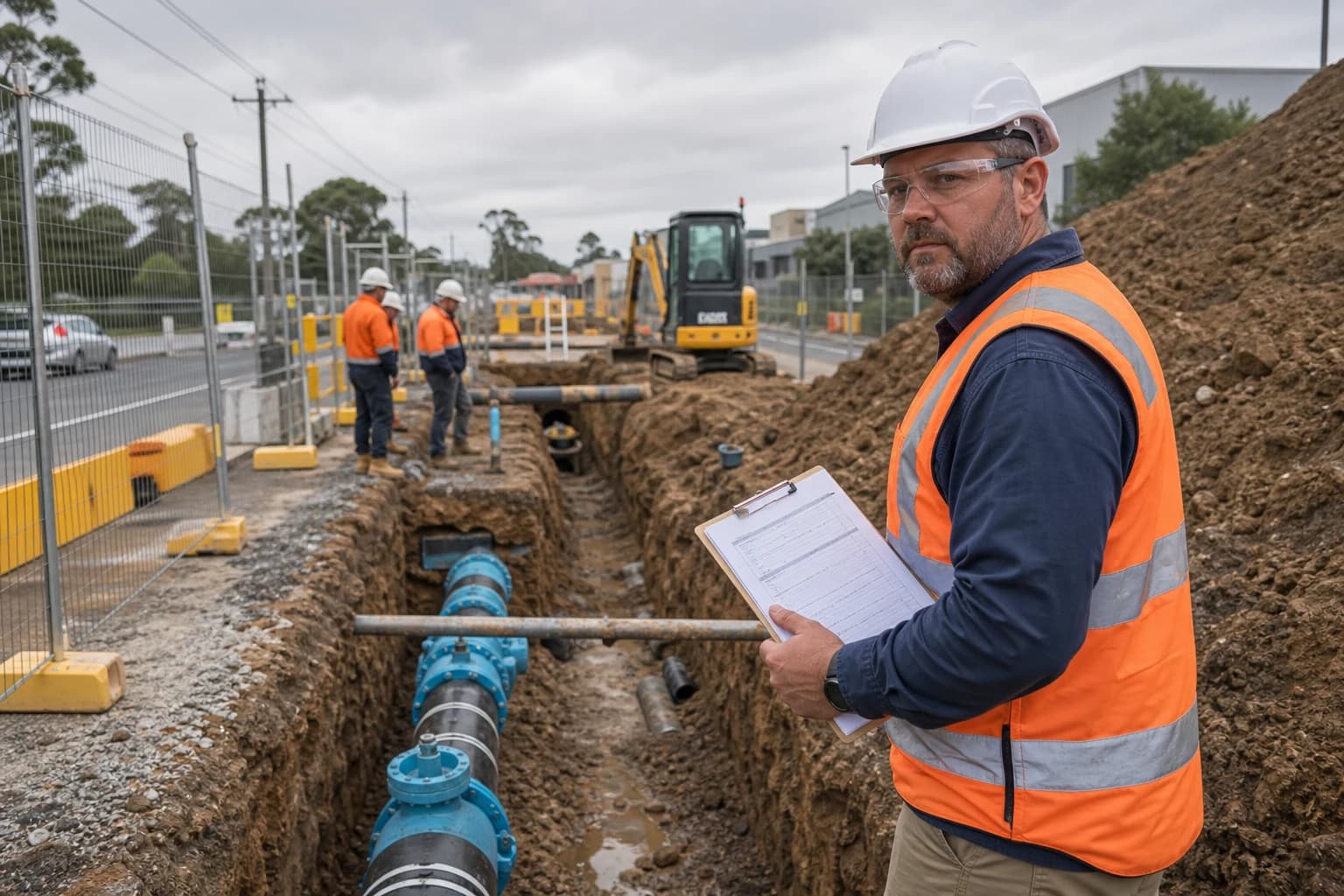
Water servicing works Sydney programmes translate approved designs into field delivery: trenching, bedding, pipe and fitting installation, valve and meter assemblies, sewer connections, testing, chlorination or flushing where required, and reinstatement around the serviced corridor.
Live development sites add complexity — shared trenches with electrical and communications, traffic management across frontages, and coordination with builders accessing lots before final paving. Servicing contractors should provide lookahead plans that align with civil superintendents and project managers.
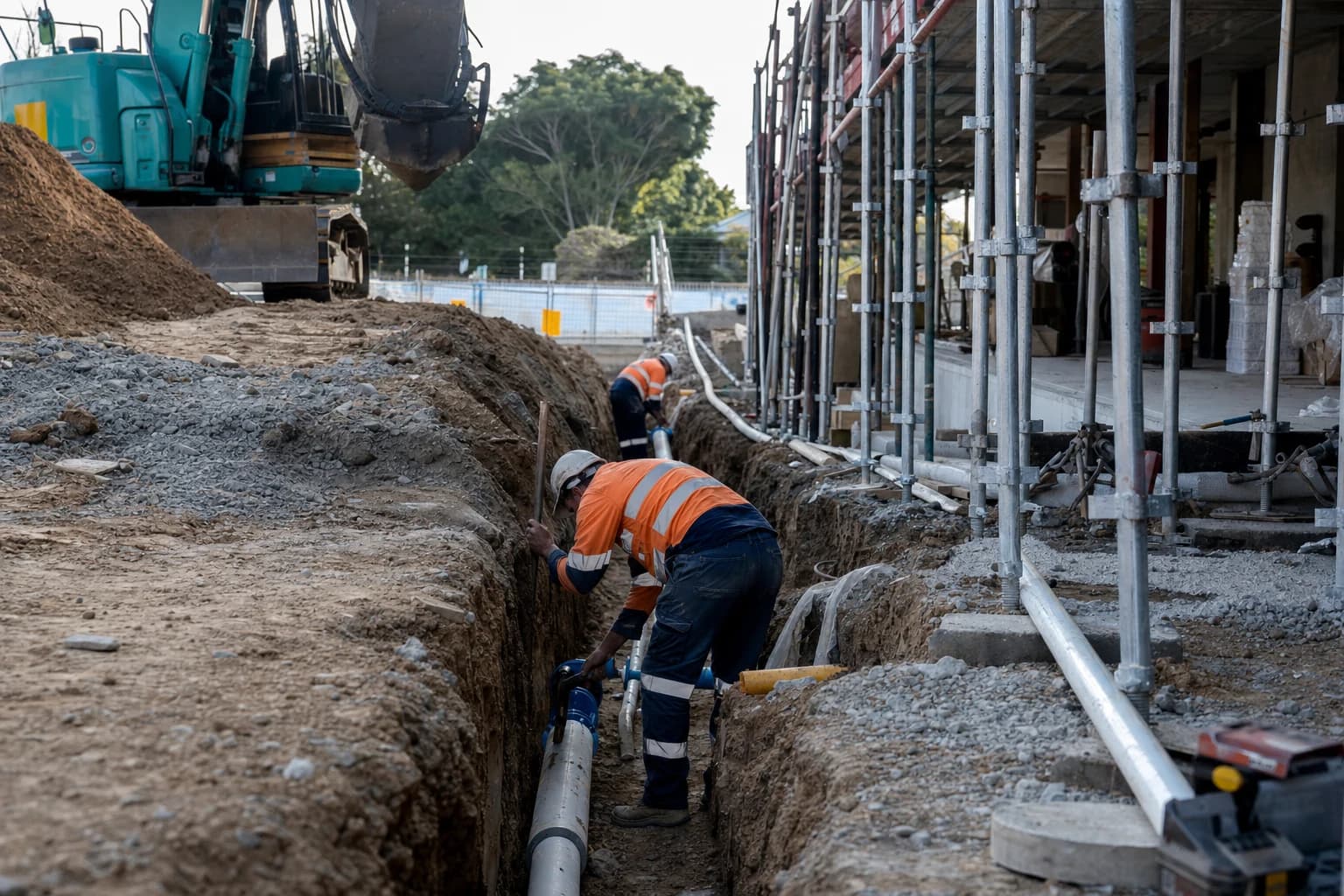
Related capability includes potable water connections, wastewater servicing, and stormwater interfaces where drainage designs require tied-in assets on the same programme.
Connection detail, meters, and inspection readiness
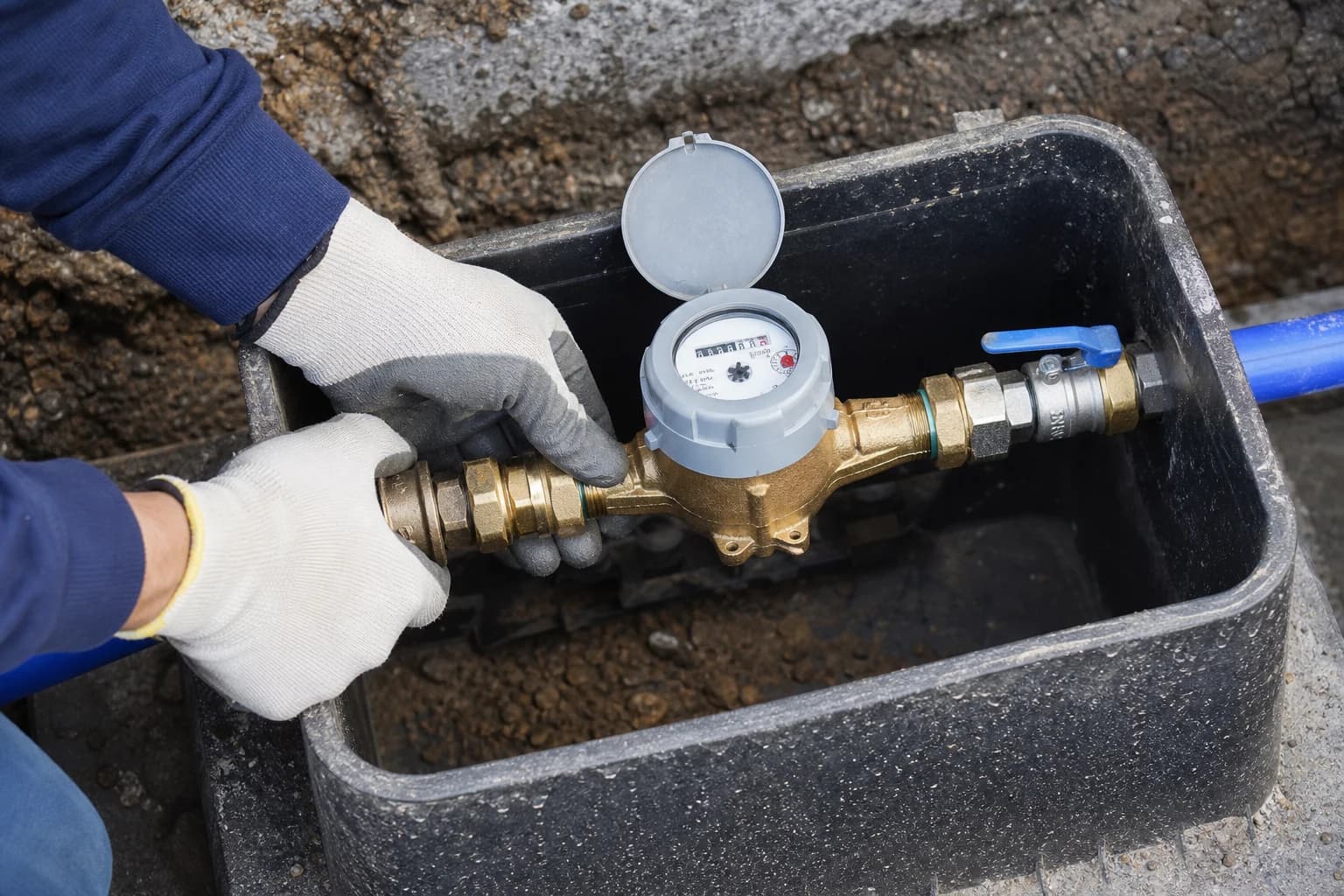
Authority approvals often hinge on detail quality — correct meter locations, service depths, thrust restraint, joint types, and hygiene controls on sewer lines. Photos, test sheets, and as-built updates should be captured progressively rather than reconstructed after backfill.
Developers benefit when contractors maintain a single inspection log aligned to authority hold points. That reduces surprises when certifiers or authority inspectors request evidence for work already covered.
For broader delivery context on accredited constructors, see what a water infrastructure contractor does in Sydney and how live-network methodology differs from greenfield servicing.
How to choose a Section 73 contractor Sydney partner
A capable Section 73 contractor Sydney developers trust should demonstrate more than a price for trenching. Evaluate authority accreditation alignment, recent servicing references, inspection pass rates, document quality, and integration with your civil programme.
Ask how the contractor sequences works across stages, manages authority communications, and escalates design conflicts when field conditions differ from drawings. Developers should prefer partners who raise constructability issues early — not after pavements are laid.
Developers and asset owners are a core audience on our industries page. For programme-specific questions, contact Coreflow with staging plans, lot counts, and target certification dates.
Section 73 compliance checklist for developers
Use this checklist during procurement and delivery — adapt it to your authority submission pack and project contracts:
Confirm approved servicing drawings, authority conditions, and vesting requirements before mobilisation.
Verify contractor accreditation and insurance align with the works class and authority expectations.
Align trenching and connection dates with civil works, building access, and road opening permits.
Schedule testing, flushing, chlorination, or pressure tests with inspection windows — not as afterthoughts.
Capture progressive photos, test results, and as-built updates for certificate submissions.
Plan reinstatement standards early so authority inspectors can access assets without destructive rework.
For general servicing questions, review the Coreflow FAQ or discuss staged programmes with our team on new infrastructure construction and renewal capability where existing assets interface with your development.
Common questions
Frequently asked questions
What are Section 73 works for Sydney developers?
Section 73 works are the water and wastewater servicing scopes required to connect developments to authority networks — including mains extensions, sewer connections, meters, testing, and documentation needed for approval. Developers typically engage specialist contractors to deliver and coordinate these works alongside civil and building programmes.
When is a Section 73 certificate Sydney required?
A Section 73 certificate Sydney pathway is generally required when new or altered servicing must be approved before properties lawfully connect to water and wastewater networks. Timing depends on authority review of design compliance, construction quality, inspections, and completion documentation — requirements vary by project type and location.
How is Sydney Water Section 73 different from general civil works?
Sydney Water Section 73 searches reflect authority-specific servicing rules for metro networks — materials, inspections, connection standards, and accreditation expectations. General civil contractors may not hold the utility experience or documentation discipline required for authority hold points, testing, and certification submissions.
What should developers look for in a Section 73 contractor?
Look for authority-aligned accreditation, proven servicing references, clear inspection documentation, integration with civil programmes, and transparent communication on programme risk. Developers should shortlist contractors who understand certificate milestones — not only trenching rates.
Related pages